
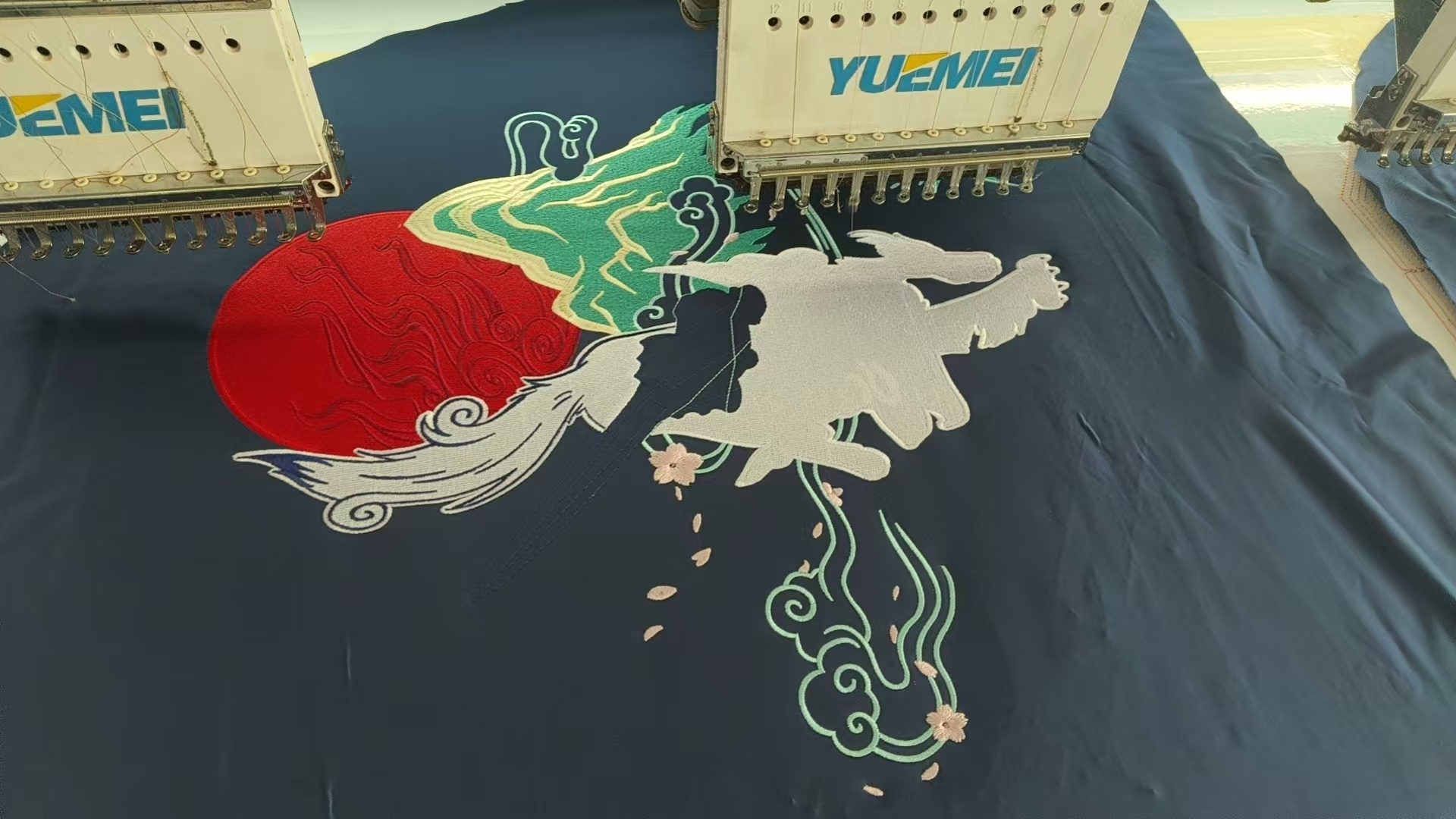
Embroidery can make a custom apparel design feel more dimensional and more premium. But for a buyer, the important question is not simply whether an embroidered graphic looks good on screen. The real question is whether the detail can be placed, stitched and repeated consistently on the finished garment.
That is why embroidery review should happen before bulk production begins. A clear review process helps a project team identify details that need adjustment while changes are still practical.
A design file is the starting point. Before embroidery begins, the artwork should be reviewed with the garment area in mind. Fine lines, small text, closely spaced colours and sharp corners may need to be simplified or adjusted for the selected fabric and placement.
This is not about changing the identity of a design. It is about making sure the visual idea can be translated into stitches with a clean result.
A placement that looks balanced on a flat artwork file can look different once the garment is worn. Buyers should confirm where the embroidery sits in relation to seams, zippers, panels and stretch areas.
For custom sportswear and team apparel, placement also affects how a logo or graphic is seen during movement. Reviewing the placement before production helps avoid a detail being too close to a seam, too low on a chest panel, or interrupted by a garment construction line.
Thread colour should be reviewed against the actual garment colour, not only against a digital mock-up. Contrast matters. A detail that appears clear on a monitor may lose definition when thread is placed on a dark, textured or highly reflective fabric.
For multi-colour artwork, the team should also check whether adjacent thread colours remain distinct. The goal is a graphic that reads clearly at normal viewing distance, not only in a close-up image.
Edge finish is one of the clearest indicators of embroidery quality. Buyers can look for clean outlines, stable filled areas and details that do not appear loose or crowded.
Stitch density also needs a practical balance. Dense stitching can create a strong filled look, while overly dense areas may affect how a fabric lies. The suitable approach depends on the artwork, the garment material and the intended placement.
Before moving forward, create one clear approval record for the project. It should include the final artwork version, garment placement, approved thread colours, requested size and any relevant notes about edge finish or small details.
This gives the production team one reference point and gives the buyer a clearer basis for reviewing the result. It also makes later communication more efficient if the project includes several sizes, colourways or garment styles.
Before custom apparel production, confirm:
Embroidery is not only a decoration choice. It is a production detail that benefits from clear review, clear communication and a practical approval process.
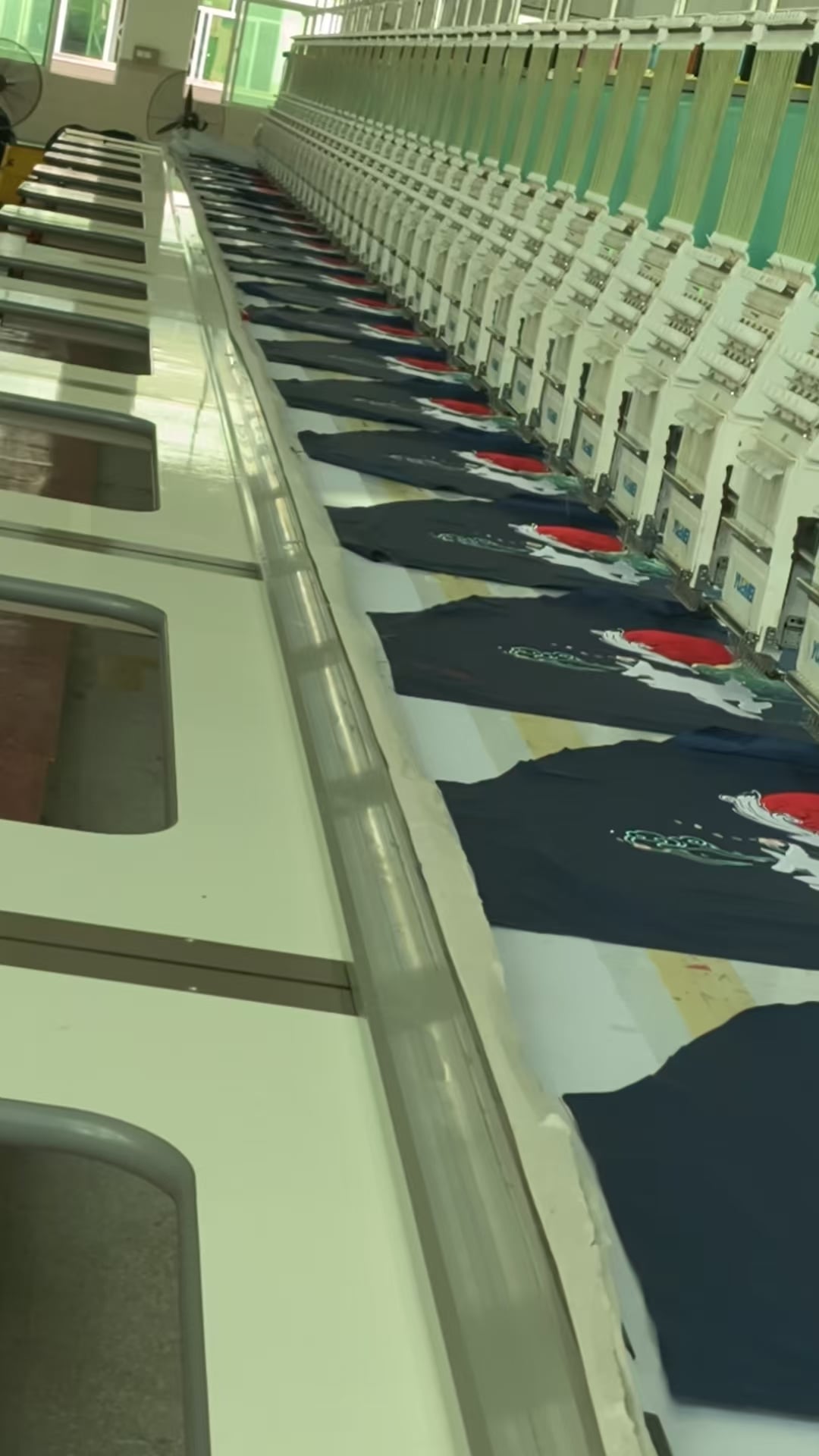
If you are preparing a custom sportswear or teamwear project, share your artwork, garment idea and required placement with our team. We can discuss the detail points to confirm before the next production step.


 EN
EN