A custom apparel inquiry often begins with a familiar challenge: a client has ideas, reference images, and questions, but cannot touch the samples from a distance.
That was the starting point for this project.
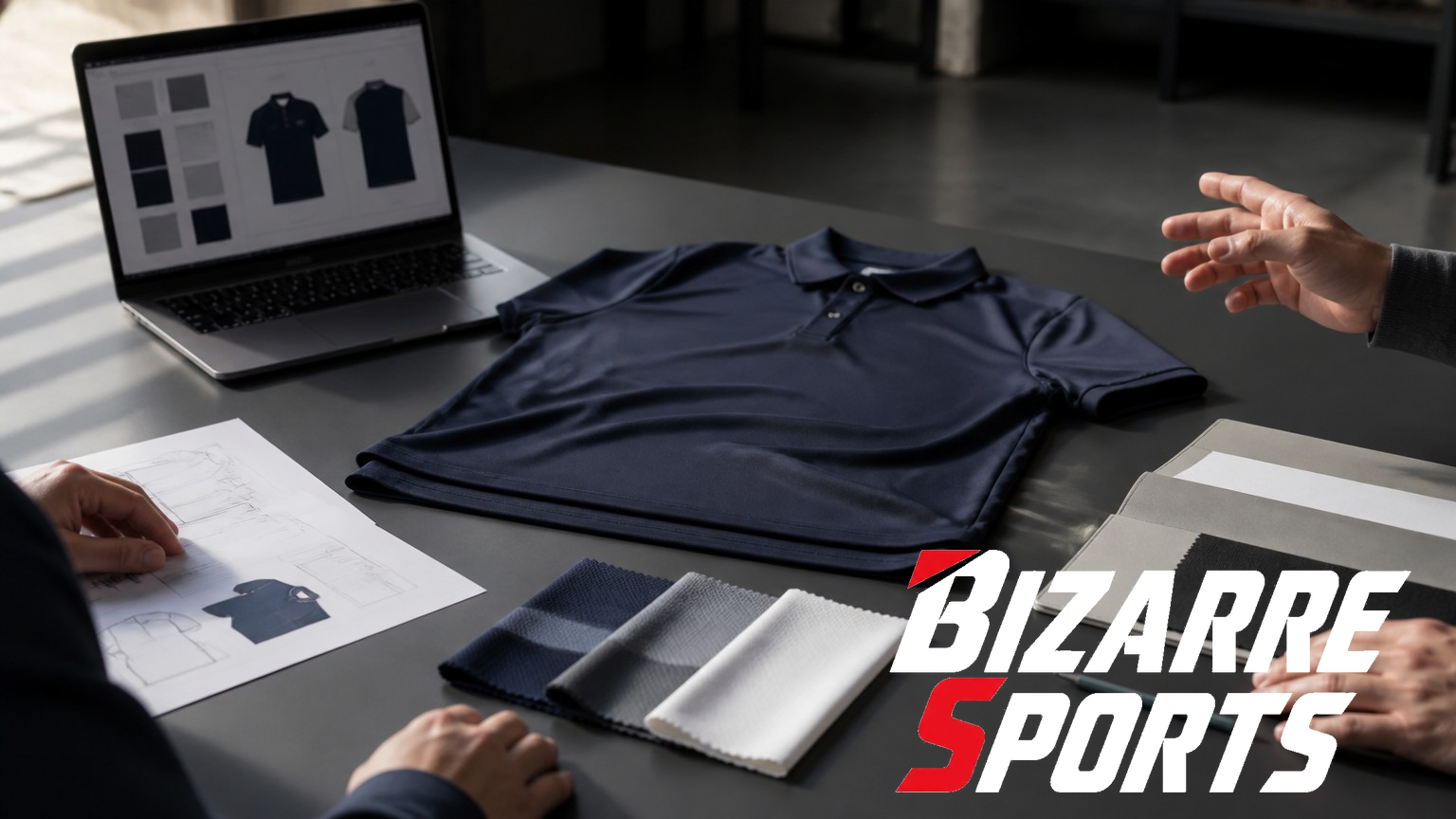
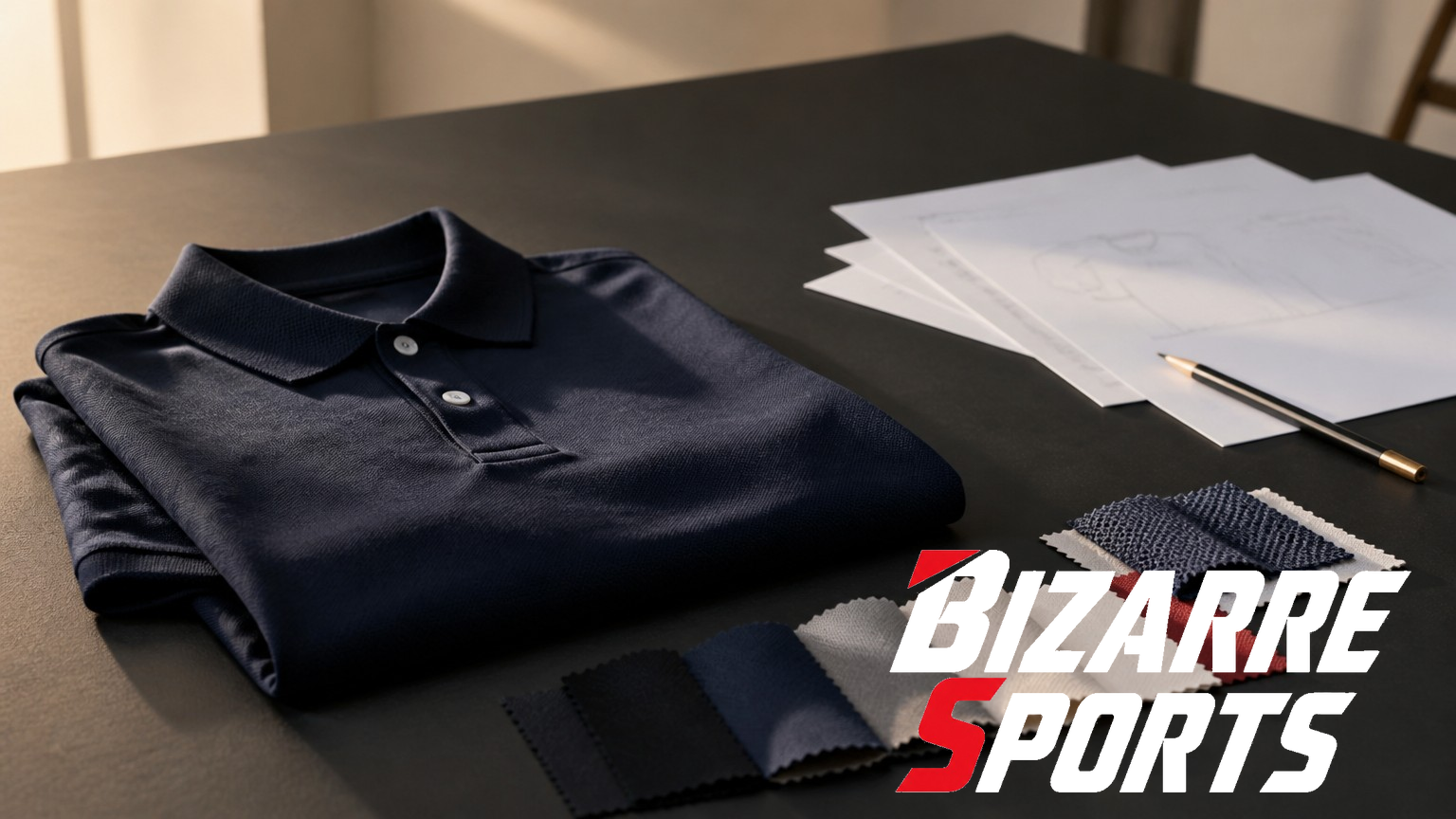
The client wanted to explore custom apparel options. Rather than asking them to make decisions from files, photos, or a short written reply, our team arranged a live video consultation from the sample room. Physical polo shirts, fabric options, caps, and construction details could be shown in real time. Questions could be answered while the relevant sample was in hand.
At first, the conversation was broad: which styles might work, how custom details could be handled, and what the collection could include. But as each sample was presented, practical questions surfaced. Could the artwork remain sharp once printed on fabric? Did the polo fabric have the right balance of weight, stretch, and recovery? Could a color change be made without disturbing the full-print composition? Would the cap's adjustment detail still look clean and work comfortably after repeated use?
None of those questions was a side issue. Together, they shaped how the client could move from an initial custom idea to a more informed sample and development decision.
That is why the video consultation mattered: not as a sales presentation, but as a way to make custom development more visible, more interactive, and more accurate before the next steps were confirmed.
The first discussion focused on print clarity.
A visual reference can look complete on a phone screen and still be difficult to reproduce cleanly on fabric. This is especially true when a design includes small details, subtle color transitions, or a full-print layout. What looks sharp in a compressed image may lose definition once it is enlarged for production.
During the review, the technical team explained why a high-resolution vector file is not simply a preferred format. It is the foundation for clearer print edges, more controllable color adjustment, and fewer rounds of correction later in the development process.
The conversation also revealed an important point: when a design is built as one integrated graphic, the background, color zones, and logo elements are connected. Adjusting one area can change the balance of the entire artwork. A request such as “make this part darker” may sound simple, but it needs to be reviewed in the context of the full design rather than as an isolated edit.
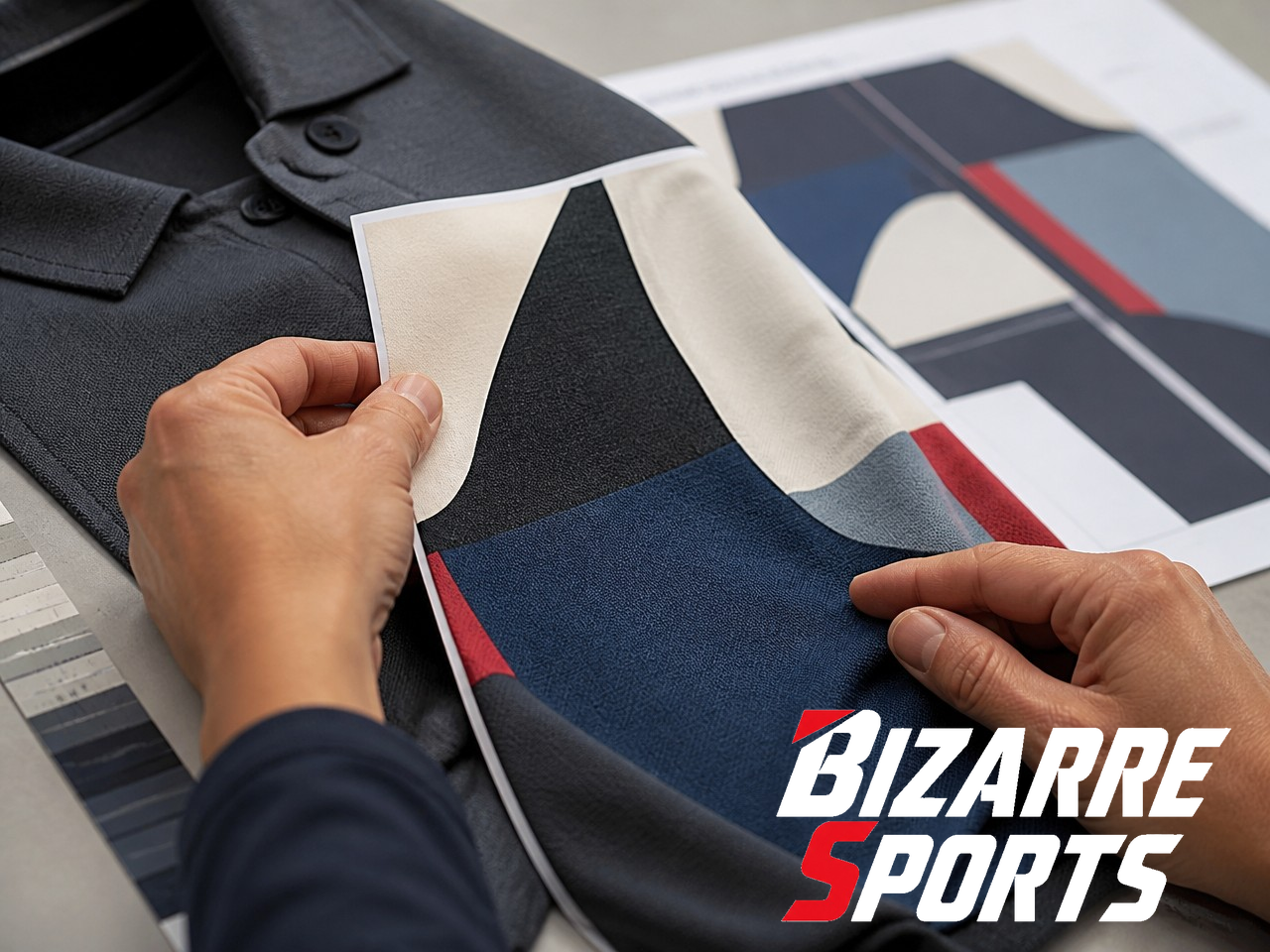
The next step was not to promise an instant fix. It was to ask for a clearer artwork direction and create a revised sample for review.
That is how artwork changes become more reliable: not by guessing at a screen, but by connecting design intent with print reality.
The next discussion moved from artwork to fabric.
The initial sample had an acceptable weight and hand-feel, but the review identified a different priority: better stretch and recovery. This is a common point in performance-inspired apparel. A fabric can feel comfortable when held in the hand, but the real question is how it behaves while the garment is worn, stretched, washed, and worn again.
The team compared different fabric directions, including polyester-spandex and nylon-spandex options. The goal was not to claim that one is always better than the other. Each option has a different relationship with stretch, breathability, print compatibility, cost structure, and product positioning.
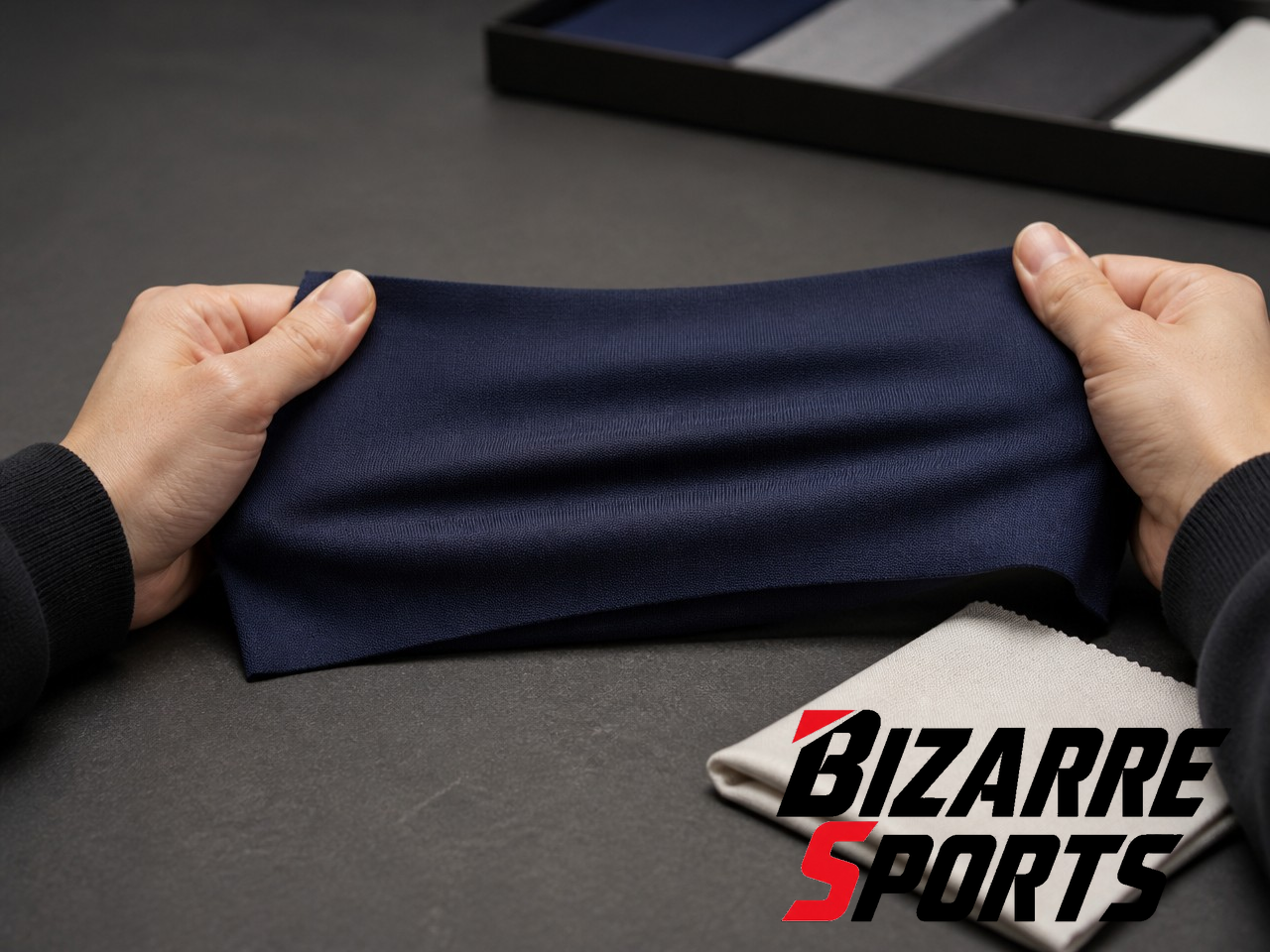
For a collection that relies on a broad all-over graphic, polyester-spandex can provide a practical route because it supports full-print development more easily. For a product direction where hand-feel and a more premium material character are the priority, nylon-spandex may be worth considering—provided the product plan, artwork approach, and development conditions support it.
The key conclusion was simple: material selection should follow the product’s purpose, not just a material name or percentage.
A better fabric decision starts with better questions:
- Does the garment need full-print flexibility or a simpler logo application?
- Is stretch the priority, or is the product being positioned around a different hand-feel?
- How will the fabric work with the intended construction and finishing?
- What should be verified in a physical sample before the collection expands?
The review also turned to a cap detail that is easy to overlook: the adjustable back strap.
The concern was not only whether the strap could adjust. It was whether repeated use would affect the fastening, whether the excess strap would remain visible, and whether the finished cap would still look clean on different head sizes.
A structured strap option was reviewed as an alternative to a simple hook-and-loop solution. The aim was to create a design that could be adjusted easily while keeping the excess material controlled and visually discreet.
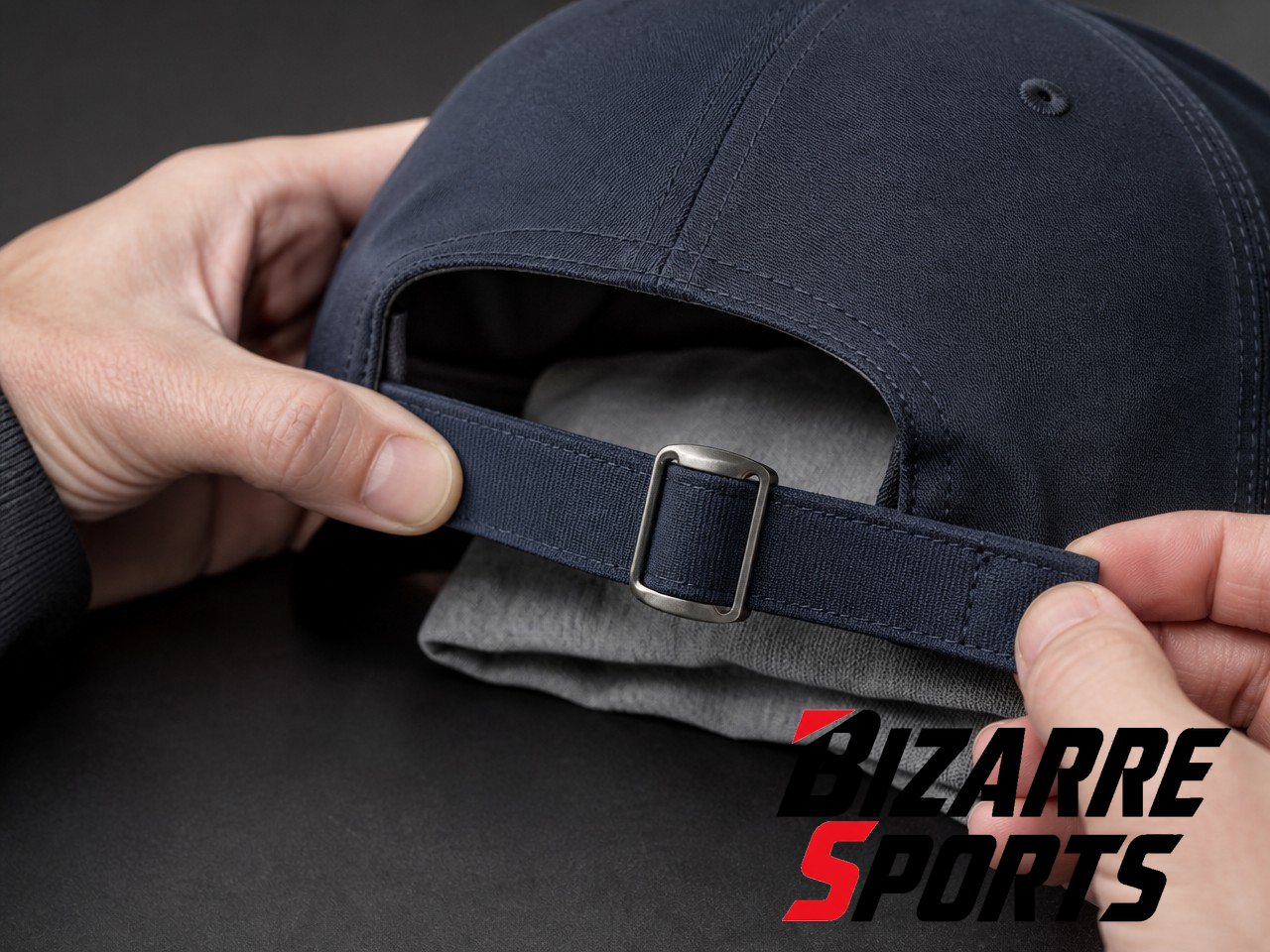
This part of the meeting was a useful reminder that functional details carry both practical and emotional value. A strap that works well is not just a component. It affects comfort, perceived quality, and the way a customer feels when wearing the product.
In apparel development, premium is often felt in the details that do not demand attention.
As more samples were reviewed, it would have been easy to move immediately into a larger range of styles. Instead, the discussion returned to the core product.
The next step was to confirm the right polo direction first: fabric behavior, artwork clarity, color treatment, and overall quality. Once the core product has a clear technical path and real feedback begins to arrive, the collection can expand with more confidence.
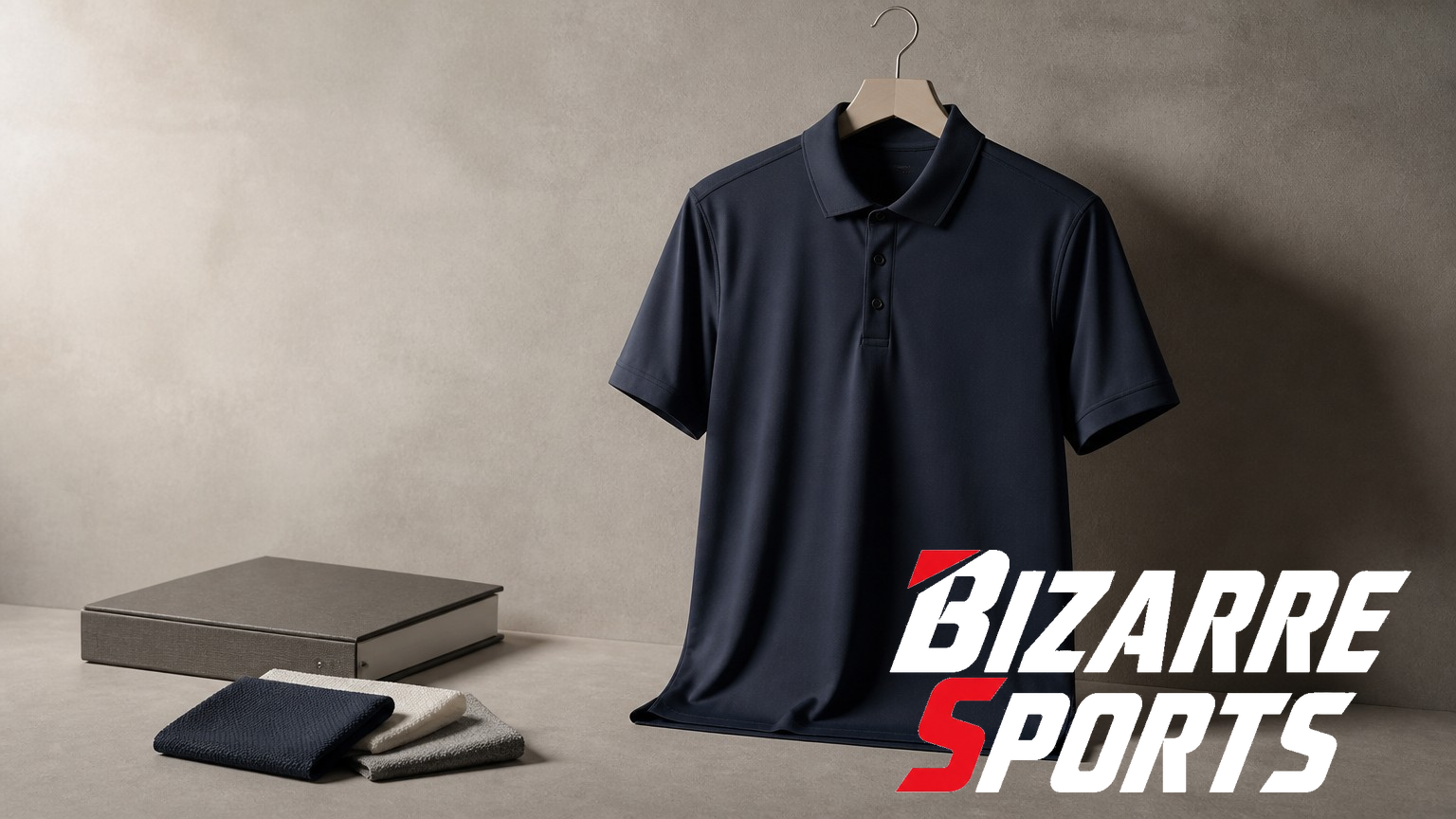
This is a more disciplined approach to product development. It does not treat every sample as a product launch. It uses samples to answer questions before the next investment is made.
A technical review is not an obstacle to speed. It is what prevents speed from becoming expensive rework later.
The most valuable outcome from a technical meeting is not a long list of ideas.
It is clarity about what needs to happen next:
- Provide a clearer, production-ready artwork file.
- Review colors as part of the full graphic, not as disconnected elements.
- Confirm a fabric direction that matches the intended balance of stretch, breathability, print effect, and positioning.
- Develop or review physical samples before moving into a broader product range.
- Keep functional details, such as straps and closures, aligned with the intended user experience.
This is the work that happens before production begins. It is quiet, technical, and often invisible in the final product—but it is also where the reliability of a collection is built.
A custom brief becomes a production-ready plan when every detail has a clear place in the conversation.


 EN
EN