 EN
EN


Screen Printing vs Heat Transfer: How to Choose for Custom Apparel
For B2B apparel buyers, the print method is not a small detail. It shapes how the artwork reads on the finished garment, how the order scales, and how predictable the final result will be when the order moves from sample to bulk production. Two of the most common methods buyers compare are screen printing and heat transfer. They look similar on a finished T-shirt, but they answer very different production needs.
This guide walks through both methods, the situations where each one works best, and the questions a buyer should ask before approving a quote.
What Screen Printing Actually Is
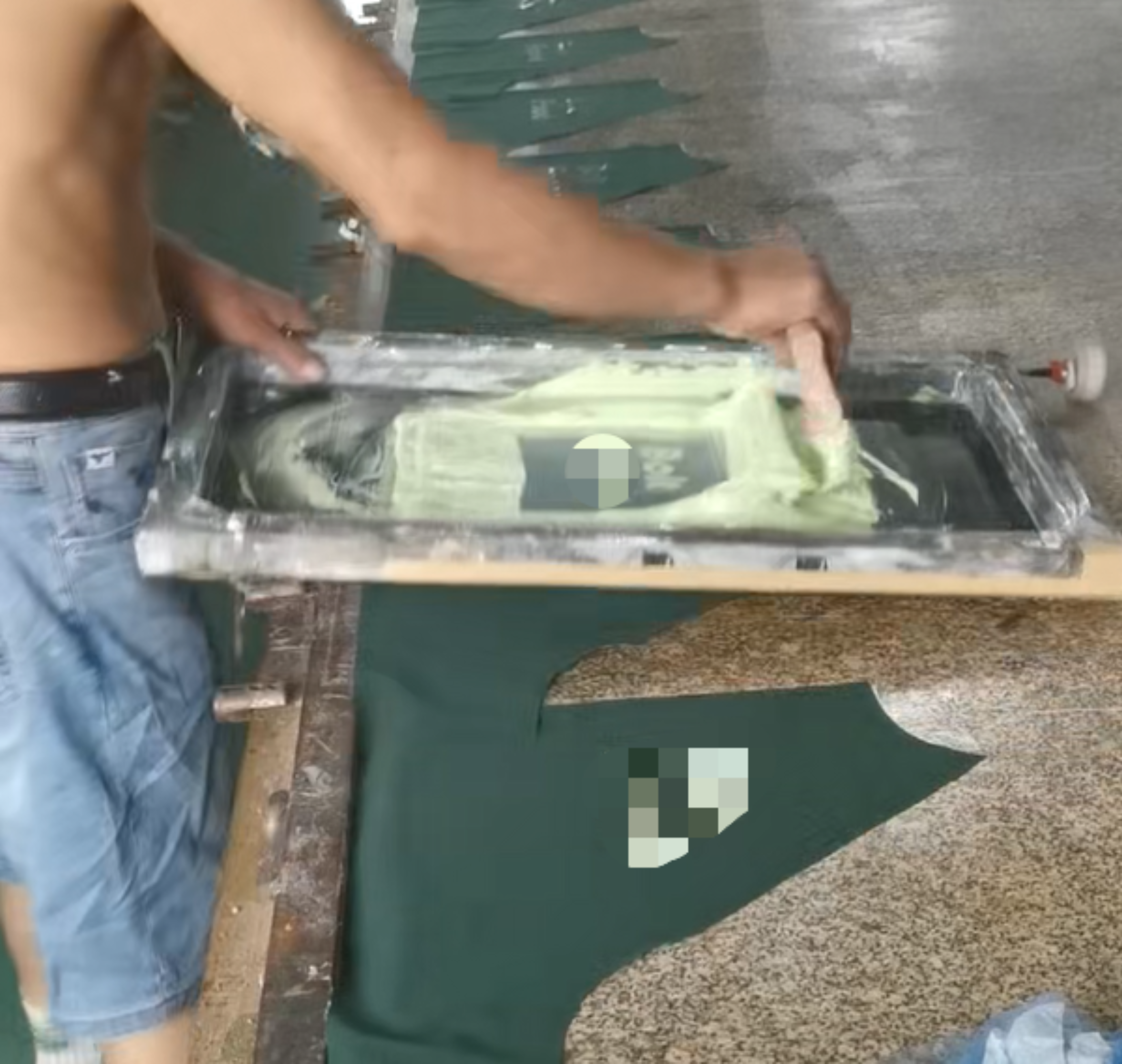
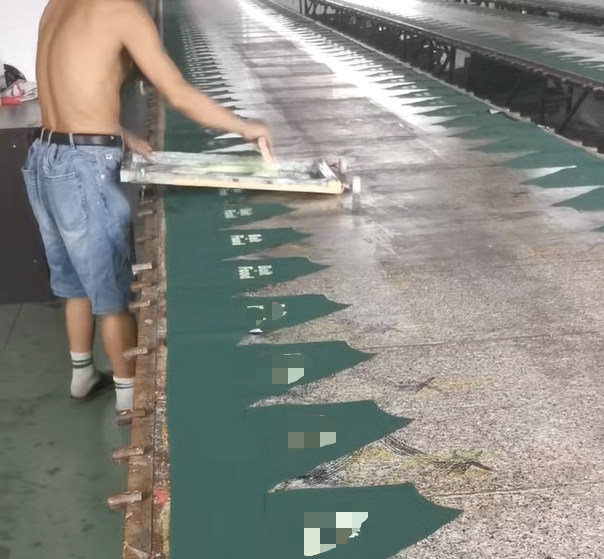
Screen printing uses a mesh screen, ink and a squeegee. For each colour in the design, a separate screen is prepared. The ink is pushed through the screen onto the fabric, then cured so the colour bonds to the material. For teamwear, club kits and bulk orders with the same artwork, screen printing is one of the most established and predictable methods available.
The process rewards repetition. Once screens are made and colours are matched, the same artwork can be reproduced many times with consistent colour and clean edges.
What Heat Transfer Actually Is
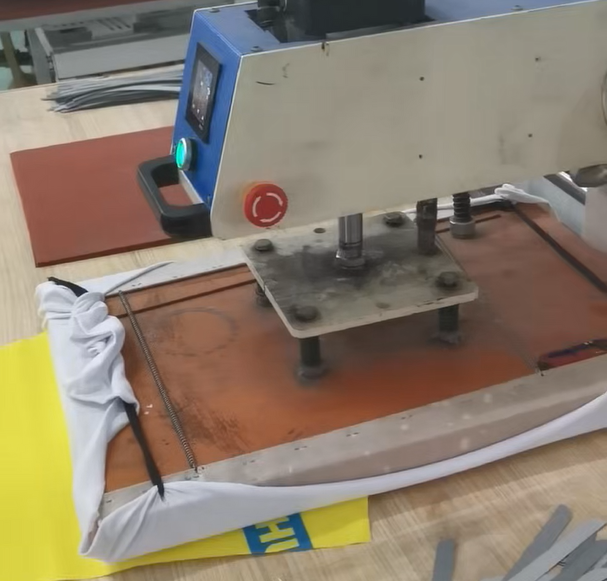
Heat transfer uses a printed film or transfer sheet. The artwork is first printed onto a special film, then placed on the garment and bonded with a heat press. The combination of temperature, pressure and pressing time melts or activates an adhesive layer that fixes the artwork to the fabric.
Heat transfer is well suited to names, numbers, smaller runs and detailed artwork that would be difficult to break into clean screen-printing colour separations.
When Screen Printing Is the Better Choice
Screen printing tends to be the right answer when:
- the order size is large enough to absorb screen setup cost;
- the artwork has a limited number of solid colours;
- the design needs to feel soft and integrated with the fabric;
- the buyer expects the same look across multiple garment styles or colourways;
- the team or brand will reorder the same design next season.
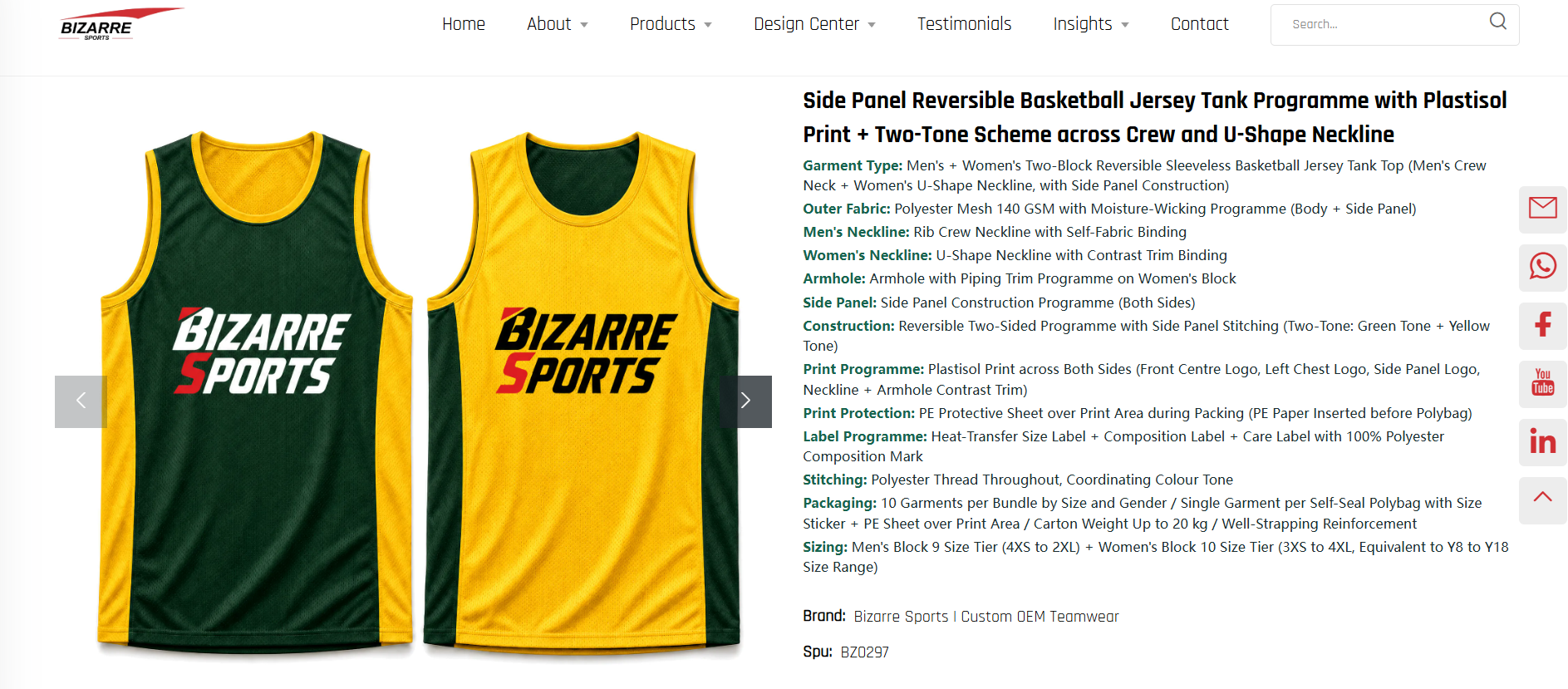
In custom basketball teamwear and other team apparel, screen printing is commonly used for club logos, sponsor marks and bold front-panel graphics where the artwork repeats across the whole order.
When Heat Transfer Is the Better Choice
Heat transfer tends to be the right answer when:
- the order is small or the artwork changes per garment;
- the design includes fine detail, gradients or photographic elements;
- the project needs personalised names or numbers;
- the team is testing artwork before committing to a full bulk run;
- speed of setup matters more than the lowest per-unit cost.
For youth squads, training kits and short-run tournament apparel, heat transfer is often more practical than forcing a complex design through screen-printing separations.
How to Compare the Two on a Real Project
Before approving production, a buyer can run a simple comparison.
First, look at the order size. For a small run, heat transfer often costs less because there is no screen setup. For a large run, screen printing usually wins on per-unit cost.
Second, look at the artwork. Bold, simple, repeatable artwork is screen printing territory. Detailed, layered, personalised artwork usually belongs with heat transfer.
Third, look at the garment material. Cotton and most teamwear fabrics accept both methods well. Some stretch fabrics and coated performance fabrics need a print method that matches the surface — heat transfer can struggle on highly textured or coated materials, while screen printing needs a fabric that holds ink cleanly.
Fourth, look at durability expectations. For everyday training wear, both methods can hold up. For repeated industrial washing or abrasive use, screen printing tends to age more gracefully with the fabric.
Questions to Ask Before You Approve
A short checklist helps the conversation with your supplier:
- What is the order size, and does the screen setup cost make sense for it?
- How many colours are in the artwork, and can they be separated cleanly?
- Will the artwork include names or numbers that change per garment?
- What fabric will the print sit on, and which method suits that fabric best?
- How will the print be tested before bulk production begins?
- Will a printed sample be approved before the full run starts?
A good supplier will answer these questions in plain terms and show you real samples on the actual garment fabric, not just digital mock-ups.
Where This Sits in Our Production Workflow
For custom teamwear projects, our team reviews the print method together with the artwork, fabric and order size before sample production. We can prepare both a screen-printing test and a heat-transfer sample when the project needs a side-by-side decision.
If you are planning a custom teamwear or sportswear project and want to discuss whi
bric idea and order quantity. We can put together the right sample plan before the next step.
Email: [email protected]
WhatsApp: +86 13995683615
Website: https://www.bizarresportswear.com/
Suggested reading:
Basketball product range:https://www.bizarresportswear.com/basketball
Table of Contents
- Screen Printing vs Heat Transfer: How to Choose for Custom Apparel
- What Screen Printing Actually Is
- What Heat Transfer Actually Is
- When Screen Printing Is the Better Choice
- When Heat Transfer Is the Better Choice
- How to Compare the Two on a Real Project
- Questions to Ask Before You Approve
- Where This Sits in Our Production Workflow

