A custom hoodie project might begin with a simple requirement:
A lower minimum order quantity.
A more comfortable fabric.
A reasonable price.
A durable logo.
A name or initials to make each garment unique.
All these requirements are reasonable.
But the problem is, they don't always work in isolation.
At a recent custom apparel meeting, a client came to us with two hoodie designs. They needed to consider colors, logo placement, zippers, kangaroo pockets, and different names or initials that required careful handling.
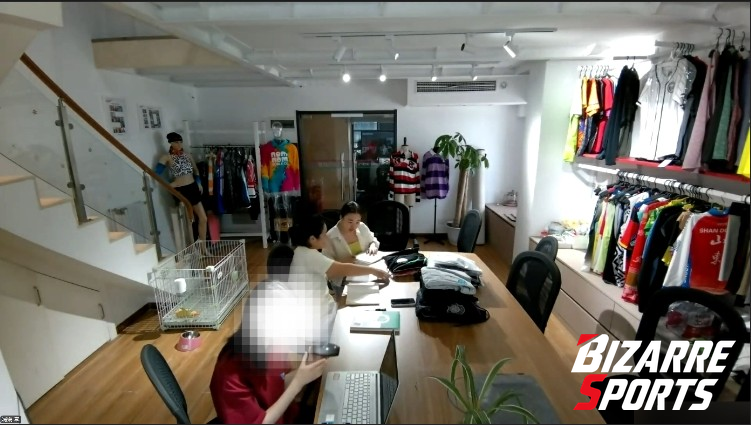
We laid out our own garment samples and fabric options on the table.
Not for a quick sales presentation.
But to make the choices more specific.
The discussion started with the fabric.
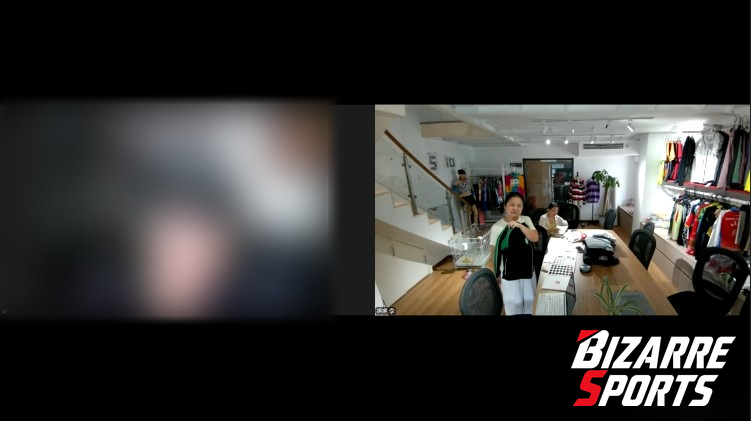
The client wanted a fabric that felt comfortable, looked good, and complemented the overall design. We compared a cotton-polyester blend with a more cotton-like fabric. This is more than just a matter of comfort. The fabric affects the feel, color presentation, pattern effect, and overall wearing experience of a hoodie.
Next, we discuss the construction of hoodies.
Zippers alter the available space for the front logo. Kangaroo pockets change the balance of the design. Seams or patchwork affect the placement of names, initials, or other personalized identifiers.
These details may seem simple in reference images, but they become crucial when the garment is actually made and worn.
The next topic is personalization.
A shared logo is one part of a custom team apparel project. Different names, initials, or character-related text are another. These may require different treatments, layout schemes, or production methods compared to the main logo.
Clients also want their logos and designs to remain reliable over time. This raises practical discussions about embellishment choices: which approach is suitable for a shared logo, which is better suited for individual markings, and why one approach isn't always suitable for every part of the garment.
Next, we explore the balance behind many low-MOQ custom hoodie projects.
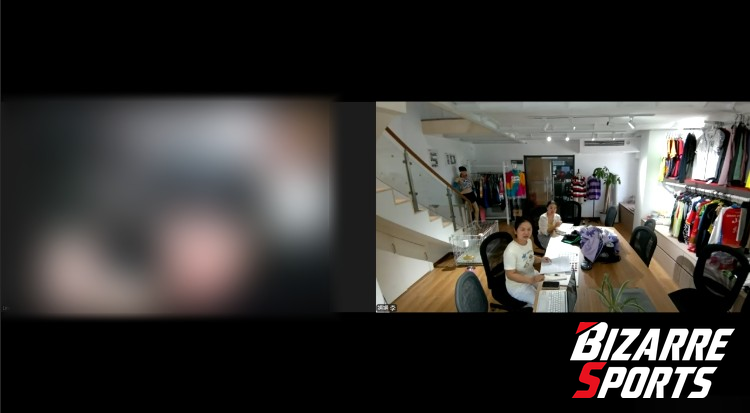
The client wanted a competitive price while also desiring a higher level of quality in the fabrics and workmanship. This is understandable. For many teams, brands, and first-time collaborations, price is just as important as look and feel.
From our perspective, fabric quality, craftsmanship, and project size are also interconnected.
When order volumes are small, the way fabric sourcing, personalization, embellishments, and unit costs operate can be drastically different from large projects. In some cases, the most cost-effective approach might rely on more common fabric choices. Higher-grade fabrics and more complex processes, on the other hand, require different cost structures to maintain sustainability.
That conversation gave both parties a clearer understanding of the project.
The client wanted to find a suitable solution within their budget.
We tried to explain how different fabric and process choices would affect the final garment.
We also discussed color and construction.
The initial design included more complex decorative details. As the discussion deepened, we explored a simpler alternative: using blocks of color or larger areas of color to maintain design recognizability while reducing unnecessary complexity.
This is one of the reasons why custom team apparel meetings are so important. It allowed everyone to see the project holistically. Fabric, construction, logo placement, personalization, color, price… every decision impacted others.
The final sample garment clearly presented all these decisions within a common reference model. It allowed the client and project team to review the same garment before moving on to the next step: Was the color placement appropriate? Was there enough space for the logo? Were the personalization details clear? Did the zippers and pockets coordinate with the overall layout?
Ultimately, we were unable to continue with the project.
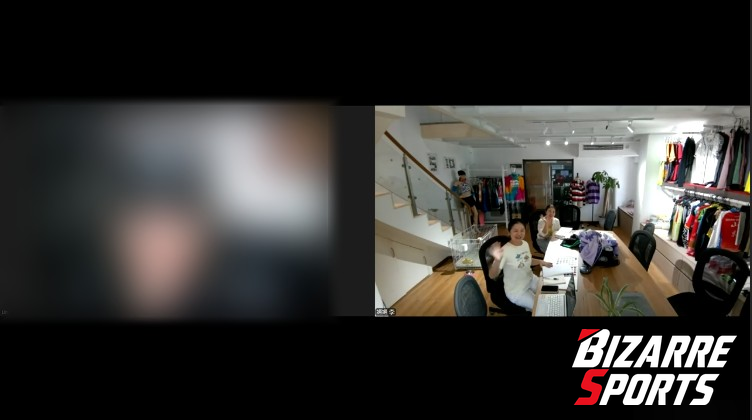
This meeting helped both parties gain a clearer understanding of the project.
The client wanted to find a supplier who could balance low minimum order quantities, high-quality fabrics, and fit the project budget. We explained in detail the impact of different fabric and process choices on the final garment, and the suitability of each option.
This consensus was invaluable.
We sincerely hope the client finds the right supplier to complete this project.
Meanwhile, we will continue to seek buyers whose project goals, fabric requirements, process requirements, and budget structures align with our working style.
This meeting was a valuable learning experience for both parties.
It makes the decision-making process behind the design clearer and allows clients to better understand the available options.
And it gave us another opportunity to listen, explain and grow through a real project conversation.
Not every custom teamwear meeting becomes an order.
But every thoughtful meeting can help both sides move closer to the right match.
https://www.bizarresportswear.com/company-news


 EN
EN