
As Christmas 2025 approached, we had our final face-to-face meeting with an overseas client before returning home. Looking back, I feel genuinely grateful that we made the effort to meet in person.
What we discovered during the conversation was something many suppliers learn sooner or later: the client we once considered a “small customer” turned out not to be small at all. In their niche market, they have built long-term strength and expertise—just without being loud about it.
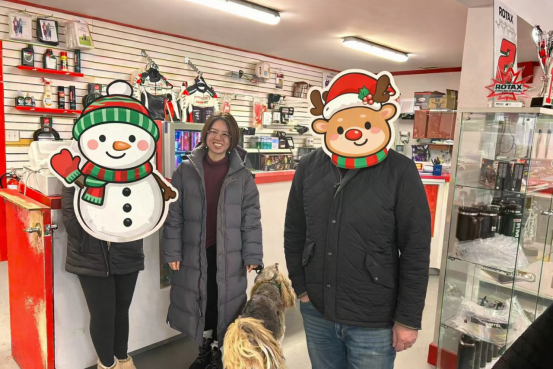
It was a timely reminder to myself: never label a customer too quickly.
If a client is willing to meet, they are always worth meeting. Many assumptions only get overturned when you actually sit down and talk.
The meeting itself went smoothly and naturally. Our expectations were aligned, the discussion was relaxed, and there was no pushing or negotiating back and forth. It felt more like a mutual confirmation—an unspoken understanding that this was a partnership that could move forward together.
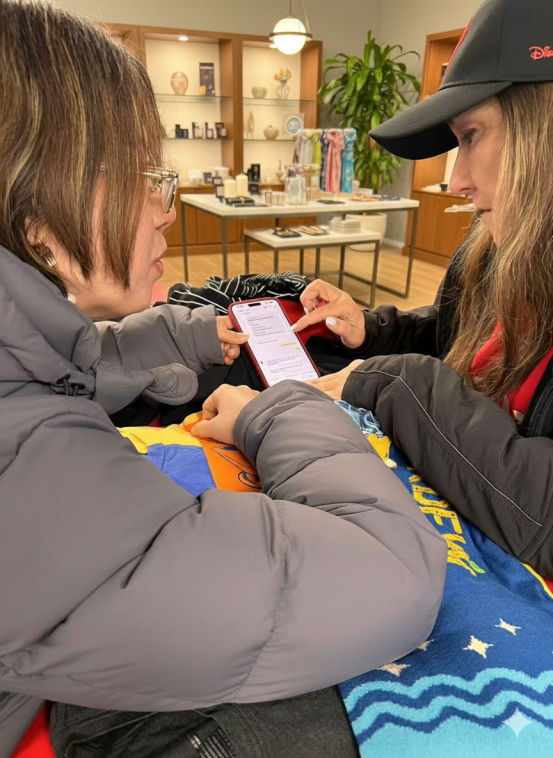
At the end of the meeting, the client surprised us with Christmas gifts: chocolate and butter cookies. Nothing extravagant, but thoughtful and perfectly timed. That small gesture left a strong impression.
After meeting many clients over the years, I’ve noticed something interesting. Some very large and professional companies treat meetings strictly as business—no gifts, no extra gestures. That’s completely fine. Clear rules and boundaries can be a strength.
But at the end of the day, business is still about people.
In Chinese culture, small gestures often represent respect and intention. A gift doesn’t need to be expensive—what matters is the thought behind it, the feeling of “I considered you.” In many cases, that human touch becomes a quiet advantage.
Of course, there are also situations where long-term cooperation turns gifts into an expectation rather than a gesture, which can blur boundaries. To me, the key is balance. It’s never about whether you must give or must not give—it’s about understanding the stage of the relationship, cultural context, and mutual boundaries.
The most memorable moment, however, happened right in the middle of the meeting.
While we were discussing the presentation, the client’s two Schnauzers suddenly started fighting. The owner stepped in, half helpless and half amused, separating them while laughing. In that moment, the formal atmosphere disappeared. There were no “clients” or “suppliers”—just people and real life unfolding naturally.

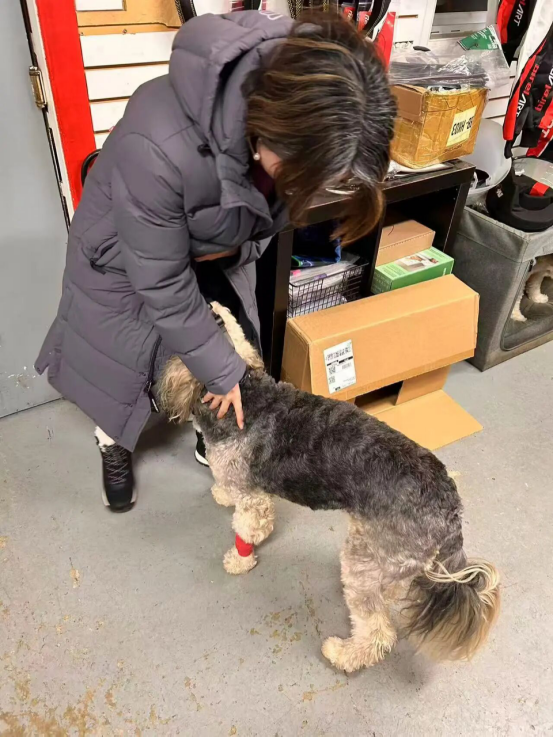
Out of countless client meetings I’ve attended, this was one of the most relaxed and memorable.
What made it even better was what happened next: shortly after the meeting ended, the client placed an order. It wasn’t a large order, but it felt right. It wasn’t impulsive—it felt like a decision that had been considered and was simply waiting to happen. A clear signal that trust had begun to take effect.
On a more personal note, ever since getting a dog myself, I’ve stopped being afraid of dogs and started noticing them everywhere. Meeting the client’s dogs was an unexpected bonus—a small personal joy woven into a business trip.
In the end, the essence of business cooperation is human connection.
As 2025 comes to a close, ending the year with a meeting that was relaxed, genuine, and resulted in real collaboration feels like a gift in itself.
A reminder to my future self:
Don’t pre-judge the “size” of a customer.
If a client is willing to meet, always make the time.


 EN
EN